May 4, 2026
Audio systems are a common feature in both vehicles and boats, but the conditions they operate in are very different. While car audio systems function inside enclosed cabins and protected environments, boat systems must perform in open air while facing moisture, sunlight, vibration, and constant movement. These environmental differences affect everything from the materials used to the way speakers are tuned and installed.
Because of these conditions, marine audio systems are designed with durability, weather resistance, and acoustic performance in mind. The open environment of a boat requires louder output, wider sound dispersion, and components that can withstand water exposure and corrosion. By contrast, car audio systems are optimized for enclosed spaces where sound reflects off interior surfaces, and electronics remain largely protected from the elements.
Understanding how these two types of systems differ helps boat owners and audio enthusiasts make better decisions when upgrading or installing equipment. Examining the design, power requirements, installation considerations, and connectivity options highlights why specialized equipment is necessary for reliable performance on the water.
Addressing Environmental Challenges
The marine environment presents several challenges that traditional vehicle electronics rarely encounter. Boats operate in conditions where water exposure, humidity, and salt are constant factors. Saltwater is particularly corrosive and can quickly degrade metals and electronic components if they are not properly protected. Because of this, manufacturers build marine audio components with corrosion-resistant materials such as stainless steel hardware, sealed connectors, and protective coatings that help prevent damage over time.
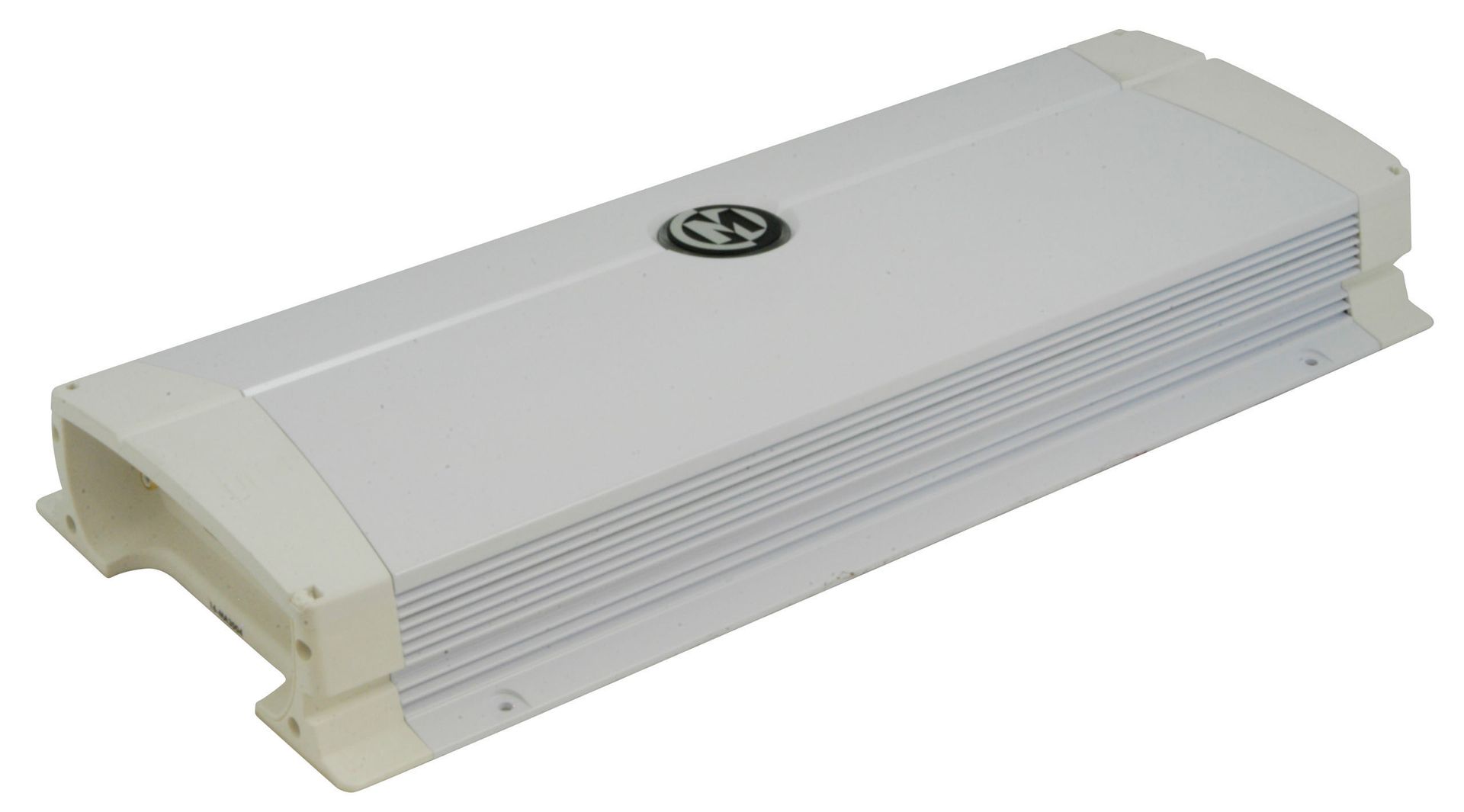
Water resistance is another essential design factor. Marine audio equipment often includes waterproof housings, rubber gaskets, and sealed wiring connections to prevent moisture intrusion. These protective measures allow speakers, lifiers, and receivers to continue functioning even when exposed to spray, rain, or occasional splashes. Car audio systems typically do not require this level of protection because they operate inside a vehicle where exposure to water is limited.
Sunlight and motion also influence system design. Boats frequently remain in direct sunlight for extended periods, so components must be built with UV-resistant plastics and coatings that prevent fading or cracking. At the same time, the constant movement of waves can create vibrations that loosen components or affect sound performance. Reinforced mounting systems and durable materials help marine audio equipment withstand these conditions while maintaining reliable operation.
Designing Sound for Open Water
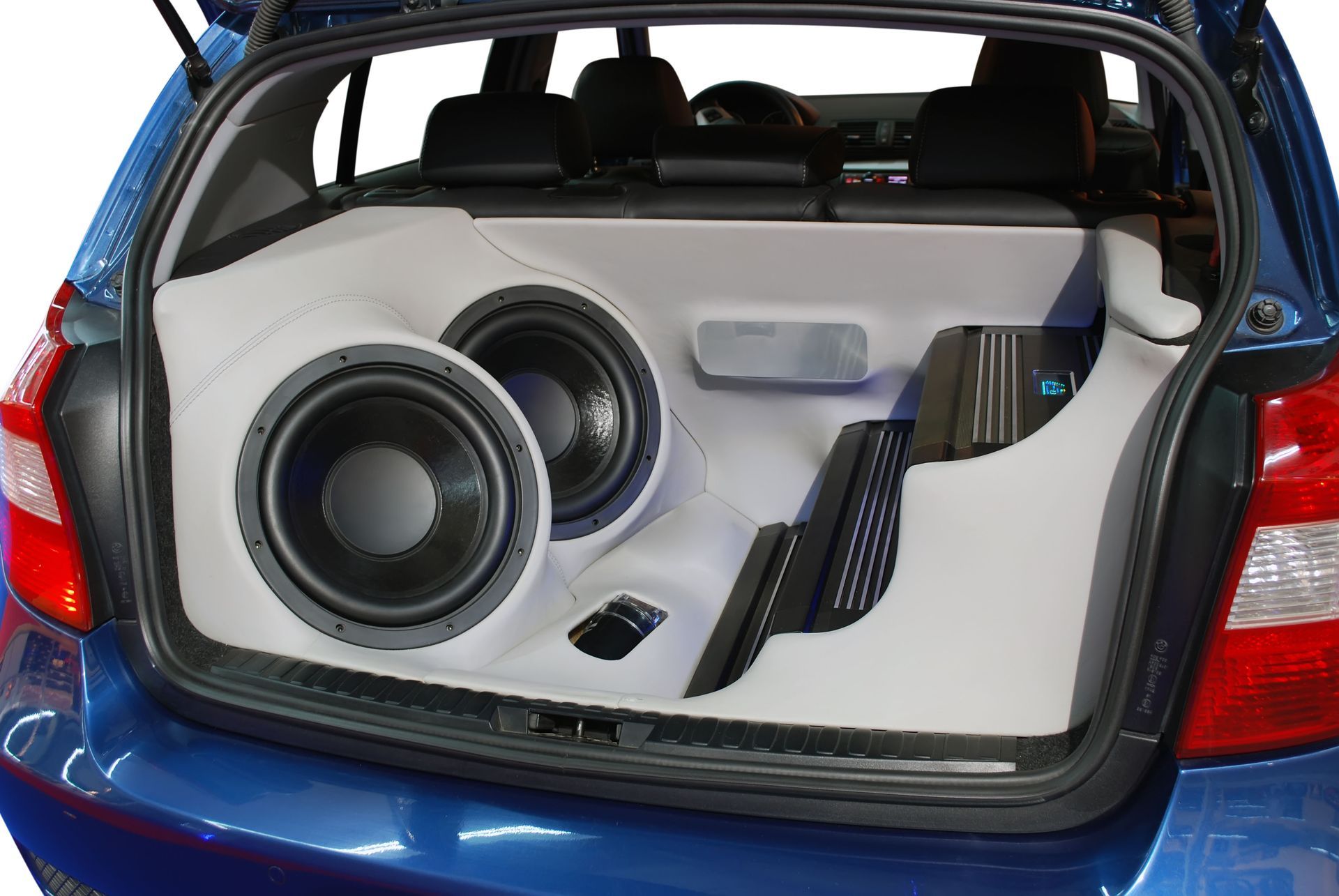
Sound behaves differently in open environments than it does inside enclosed spaces. In a car, audio waves bounce off doors, dashboards, and seats, creating a contained acoustic environment that enhances bass and clarity. On a boat, sound disperses freely into the open air, which means audio must travel further to reach listeners. To compensate for this, marine audio systems are engineered to produce higher output levels while maintaining clarity across wider areas.
Environmental noise also plays a major role in system performance. Wind, engine noise, and the sound of water moving against the hull can interfere with music or spoken audio. As a result, speakers and lifiers used in marine audio setups are often designed to deliver stronger midrange and high frequencies that cut through background noise. This helps ensure music remains clear even when a boat is traveling at speed or operating in windy conditions.
Speaker construction is another important difference. Marine speakers use materials such as polypropylene cones, rubber surrounds, and sealed motor structures that resist water damage and corrosion. These materials maintain sound quality while preventing deterioration caused by moisture or salt. Car speakers, on the other hand, may prioritize acoustic warmth or bass response but typically lack the protective construction necessary for marine environments.
Managing Power and Energy Efficiency
Power management is an important factor for any onboard electronics. Boats typically rely on battery systems that must support navigation equipment, lighting, pumps, and other critical components. Because of these limitations, marine audio systems are often designed with efficiency in mind so they deliver strong performance without draining power reserves too quickly.
Energy-efficient lifiers and receivers help reduce power consumption while still producing clear sound. Many systems include standby modes or adjustable output levels that allow users to conserve battery power during extended trips. Unlike car audio systems, which are continuously supported by an engine-driven alternator, boats may spend long periods running solely on stored electrical power.
Renewable energy integration is becoming more common as well. Some vessels incorporate solar panels or auxiliary charging systems that help maintain battery levels throughout the day. These energy sources can support onboard electronics and extend listening time without requiring frequent engine use. Designing marine audio systems with flexible power options helps ensure consistent performance during long outings on the water.
Integrating Modern Connectivity
Connectivity features have become an essential part of modern entertainment systems. On boats, audio equipment must often integrate with a variety of other onboard electronics, including navigation displays, communication systems, and safety equipment. This integration allows users to manage multiple functions from a single interface while maintaining easy access to music and audio controls.
Wireless technologies such as Bluetooth and Wi-Fi are widely used to stream music from smartphones or tablets. These features allow passengers to connect their personal devices and share playlists throughout the vessel. Some systems also support satellite connectivity, which can provide radio or streaming access even when far from shore. These options make marine audio systems flexible enough to support entertainment in remote areas where traditional signals may be unavailable.
Remote control capability is another advantage commonly found in marine audio setups. Boats often have multiple seating areas or deck levels, making it useful to control volume and playback from different locations. Waterproof remotes or smartphone applications allow users to adjust settings without leaving the helm or main seating area. This convenience enhances safety while also improving the overall entertainment experience for passengers.
Installing and Maintaining Marine Systems
Installation practices for boat audio systems differ significantly from those used in vehicles. Boat layouts vary widely depending on vessel type, size, and design, which means installers must carefully evaluate available space and mounting locations. Speaker placement is especially important because open environments require sound to be distributed evenly across decks and seating areas.
Wiring and electrical connections require additional protection during installation. Waterproof connectors, sealed cable routing, and corrosion-resistant hardware help ensure long-term reliability. Installers must also consider airflow, drainage, and accessibility when positioning equipment so that components remain protected but still easy to maintain or replace if necessary.
Regular maintenance is essential for preserving performance. Cleaning connections, inspecting seals, and checking mounting hardware can prevent small issues from becoming larger problems. According to the National Marine Manufacturers Association, over 85 percent of recreational boat owners report using onboard audio systems during every outing. Because these systems are used frequently, routine inspections and care help extend their lifespan and maintain consistent audio quality.
From corrosion-resistant materials and waterproof housings to efficient power management and flexible connectivity, marine audio equipment is engineered with durability and performance in mind. These features allow boat owners to enjoy music and entertainment while maintaining dependable operation throughout every trip. Proper installation, thoughtful speaker placement, and regular maintenance all contribute to creating a system that performs consistently over time. Choosing equipment specifically designed for marine environments helps ensure both sound quality and long-term reliability. For more information about the services that we offer, reach out to our incredible team at Crazy Ralph's Car Stereo today!