September 2, 2026
Upgrading your vehicle's audio system allows you to enjoy powerful, crystal-clear sound during every single highway drive or daily commute. Crafting a loud setup requires much more than simply cranking up the master volume knob or installing massive aftermarket subwoofers inside your trunk. True high-performance audio demands strategic power management, precise speaker placement, quality sound deadening, and careful frequency tuning to eliminate distortion.
Without proper technical knowledge, pushing your system to extreme output levels can ruin your equipment or drain your electrical battery. Following key acoustic guidelines ensures your car stereos deliver deep bass, crisp highs, and dynamic sound across all music genres.
1. Upgrading Electrical Systems Through High-Output Alternators
Delivering uninterrupted power to high-wattage amplifiers requires boosting your vehicle's electrical output beyond stock factory specifications. Standard automotive alternators often struggle to keep up with the intense power demands of high-performance car stereos playing at maximum volume. Installing a high-output alternator ensures your amplification system receives a steady stream of electric current without dropping voltage during heavy bass hits.
Upgrading your primary battery to a deep-cycle AGM unit provides essential energy reserves, preventing dimming headlights and protecting sensitive electronic components. Sustained electrical stability allows your sound system to play louder, cleaner, and much more reliably during long road trips.
2. Dampening Cabin Vibration Through Sound Deadening
Eliminating unwanted metal rattle requires installing heavy butyl sound-deadening mats along door panels, floors, and trunk lids. Vibrant bass frequencies cause thin automotive sheet metal to vibrate, creating annoying buzzing noises that ruin your overall listening experience. Applying dense acoustic insulation absorbs mechanical rattles, lowers ambient tire noise, and seals open internal door cavities to form tight speaker enclosures.
According to Mordor Intelligence, by sound-management mode, manual car audio control held a 62.74% share of the car audio market size in 2025. Adding physical dampening material lets custom car stereos produce punchier midrange notes and cleaner bass frequencies without distracting cabin buzz.
3. Tuning Gain Controls Through Precise Calibration
Preventing permanent speaker damage demands setting amplifier gain controls accurately using proper testing equipment rather than relying on guesswork. Many music enthusiasts misinterpret gain knobs as volume controls, turning them all the way up and introducing severe signal clipping into the audio stream. Clipping sends distorted electrical signals directly to your speakers, overheating delicate voice coils and causing sudden thermal failure.
Utilizing a digital multimeter or an oscilloscope allows you to adjust input sensitivity to match output voltage precisely. Calibrating your system properly ensures custom car stereos achieve maximum clean volume levels without introducing harmful harmonic distortion.
4. Matching Speaker Impedance Through Proper Wiring
Wiring your subwoofers correctly requires understanding electrical resistance to optimize power delivery from your dedicated monoblock amplifier. Connecting speakers in parallel lowers total voice coil impedance, allowing your amplifier to push significantly higher wattage to your subwoofers. However, dropping electrical resistance below your amplifier's stable operating threshold causes excessive heat buildup, severe thermal shutdown, or permanent circuit failure.
Carefully matching dual voice coil subwoofers to your amplifier's rated ohm load ensures maximum power efficiency. Strategic impedance matching lets aftermarket car stereos generate thunderous, deep low-end frequencies safely without putting excessive stress on internal electrical components.
5. Building Custom Enclosures Through Strategic Design
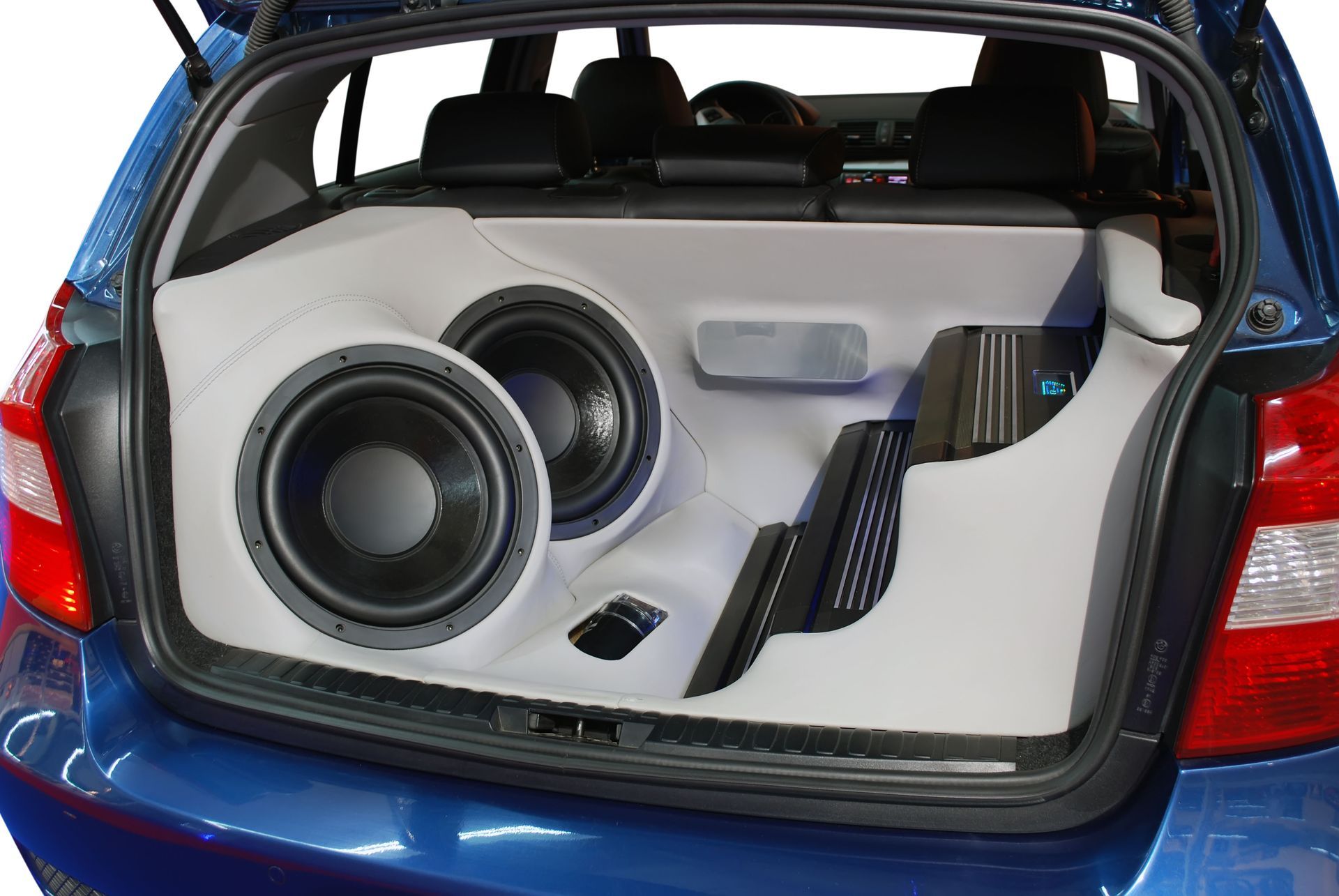
Maximizing subwoofer performance requires housing your low-frequency drivers inside properly sized, acoustically tuned wooden enclosures. Sealed sub boxes provide tight, accurate bass response ideal for detailed acoustic tracks, while ported enclosures deliver massive volume boosts at specific tuned frequencies. Constructing your cabinet out of dense medium-density fiberboard prevents air leaks and flexing panel walls that weaken low-end output.
Calculating exact internal cubic volume based on speaker parameters ensures your subwoofers move efficiently without bottoming out. Housing your subwoofers inside tailored cabinets allows modern car stereos to produce chest-thumping bass that fills the entire vehicle cabin.
6. Balancing Frequency Bands Through Equalizer Adjustments
Crafting a rich soundscape requires adjusting multi-band equalizers to smooth out harsh peaks and fill in empty acoustic valleys. Unfiltered factory audio signals often sound muddy, flat, or overly sharp when pushed to high volume levels inside small, reflective automotive interiors. Utilizing digital signal processors allows you to fine-tune specific frequency bands, balancing bright treble tones with warm midrange vocals and booming bass notes.
Shaping your sound profile eliminates ear fatigue during extended listening sessions, keeping music clear and detailed. Precise equalizer sculpting enables high-output car stereos to deliver balanced, studio-quality sound reproduction even at extreme output levels.
7. Installing Dedicated Wiring Through Heavy Gauges
Feeding raw power to performance amplifiers requires routing thick, oxygen-free copper power cables directly from your vehicle battery terminal. Thin factory wiring offers excessive electrical resistance, starving power-hungry amplifiers during intense musical passages and causing severe voltage drops. Running low-gauge power and ground wires ensures maximum current flow, keeping your equipment operating coolly and efficiently under heavy loads.
Additionally, routing high-quality shielded RCA cables far away from primary power lines prevents annoying engine whine from creeping into your speakers. Installing heavy-duty electrical wiring establishes a clean foundation for high-performance car stereos to operate safely.
8. Positioning Component Speakers Through Angle Optimization
Directing high-frequency sound waves toward your ears requires mounting separate tweeters and midrange drivers in strategic cabin locations. High-frequency audio waves travel in straight lines, meaning poorly aimed tweeters lose detail when firing directly into legroom areas or padded seats. Installing tweeters on A-pillars or sail panels aimed toward the center console creates a broad, realistic sound stage across your front dashboard.
Using component sets with off-axis crossovers helps separate high frequencies from low tones, improving overall musical clarity. Strategic speaker positioning allows loud car stereos to create an immersive, concert-like listening environment for everyone inside.
9. Protecting System Components Through In-Line Fuses
Safeguarding your vehicle against electrical fires requires installing robust in-line fuses within eighteen inches of your battery terminal. High-power audio setups draw immense electrical current, creating significant hazards if a power wire chafes against sharp chassis metal and shorts out. Installing properly rated fuses or circuit breakers breaks the electrical circuit instantly during sudden short circuits, protecting expensive amplifiers and vehicle wiring.
Matching fuse ratings directly to your total amplifier current draw prevents accidental blown fuses during heavy bass tracks. Integrating proper safety hardware ensures your custom audio investments remain protected against unpredictable electrical mishaps.
10. Filtering Unwanted Frequencies Through Crossover Networks
Directing appropriate frequency ranges to specific drivers requires configuring active high-pass and low-pass crossover filters on your amplifier. Sending deep sub-bass frequencies to small door speakers causes muddy sound distortion and tears fragile paper cones during high-volume playback. High-pass filters block damaging low frequencies from reaching door speakers, allowing them to focus entirely on producing crisp vocals and clear instruments.
Conversely, low-pass filters block high frequencies from entering subwoofers, keeping bass response deep, tight, and completely focused. Implementing precise crossover boundaries allows multi-speaker car stereos to play much louder while maintaining exceptional audio clarity.
Investing time into intelligent system design, proper electrical wiring, and careful frequency tuning yields an exceptional mobile audio experience. Upgrading your alternator, installing thick power cables, and adding sound deadening creates a solid foundation capable of supporting massive sound pressure levels.
Taking the time to adjust crossover filters, calibrate amplifier gain settings, and position component speakers prevents equipment damage while delivering pristine, distortion-free sound. Protecting your electrical setup with proper safety fuses ensures your vehicle remains safe while playing your favorite tracks. Following these expert installation guidelines allows you to build loud, durable car stereos that bring high-fidelity music to life.
Are you considering upgrading your vehicle's stereo system in the Gonzales, LA area? The stereo experts at Crazy Ralph's Car Stereo have you covered. Visit or call us today for more information.